A Therapeutic Approach to Everyday Creativity
Being inspired by music, Fiona Apple, and the art of songwriting — and creating the Child is Gone podcast. Check out the Child is Gone on Podchasher
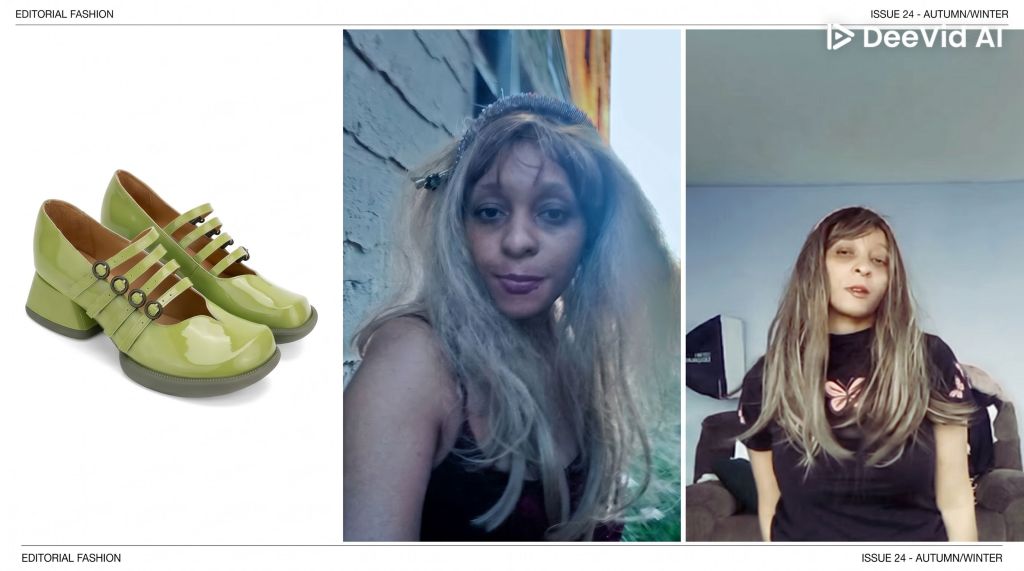
I would say that discovering my own talents and interests felt like uncovering a secret world of my own — a hidden passion as absorbing and intoxicating as reading The Secret History by Donna Tartt. In creating my second podcast, The Child is Gone, I was able to explore a range of compelling themes and engage with ideas that felt both unfamiliar and deeply personal. I think I had, talked a great deal about the kind of world that an author creates, and also derives, from both imaginative, and real, life circumstances. I think it was delving into many ideas, ones that included feeling a connection to the characters, including Richard Papen: The narrator. A transfer student from California of modest means who fabricates his background to fit in with the group. and that, this seemed, most emblematic of my own life.
The podcast became a space where I could expand upon literary and philosophical questions through the voices of different authors and genres. Works such as Infinite Jest and The Secret History served as creative touchstones, shaping conversations about obsession, isolation, identity, and the complexities of the human condition.
With each segment, I found myself delving further into the tension between the unknown and the deeply intimate — exploring psychological landscapes, existential questions, and the hidden spaces within human experience. The process felt less like producing a podcast and more like entering an ongoing dialogue with literature, art, and the mysteries that exist beneath everyday life
Mental Health and the Burden of Constant Overthinking
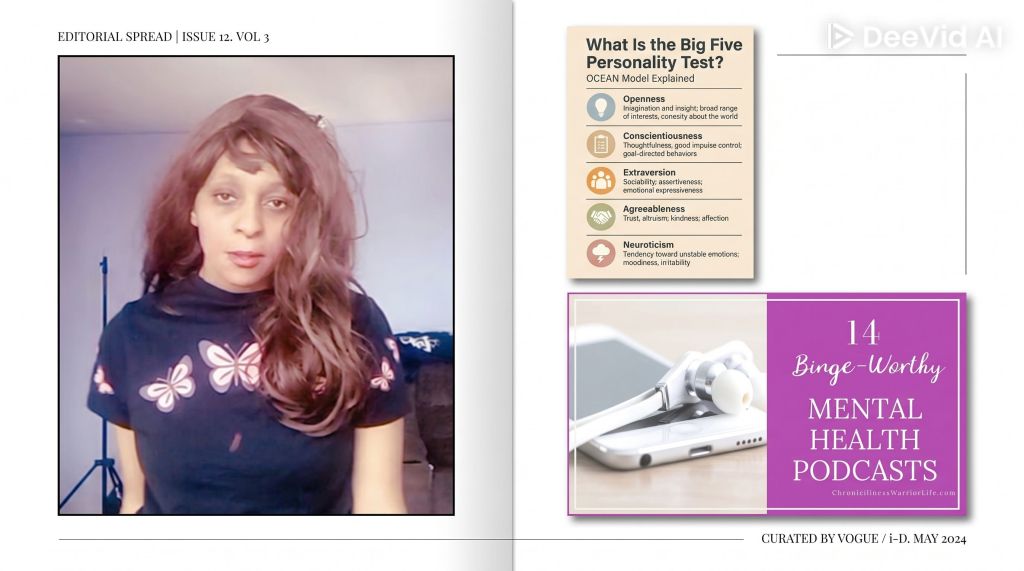
I think the biggest thing I learned came from looking at everything—from online magazines to photography, especially content geared toward more adult audiences. What stood out to me was the way certain ideas and visual concepts are intentionally framed to make people believe that the keywords they searched for would lead them to a specific emotional or psychological result they were already hoping to find.
In the process, I came across a vast range of imagery centered on exhaustion, stress, burnout, and the pressure of trying to meet deadlines at the very last minute. Over time, those themes began to feel less like isolated creative concepts and more like reflections of a broader cultural mindset—one shaped by anxiety, overstimulation, and the constant demand to keep up.
to listening to countless podcasts myself. I never imagined I would try to create a mental health podcast this year, but through that process, I began to recognize how much I could evaluate my own ability to speak about difficult and emotionally complex subjects.
I also realized that many of the topics I’m drawn to are serious and deeply layered. In terms of personality, if I were to place myself within the Big Five traits, I’d probably say I lean more toward neuroticism than anything else. That tendency has made me especially reflective, emotionally aware, and attentive to the weight of certain conversations.
From Closet to Calm: The Therapeutic Power of Shoes and Accessories
.
\
How fashion, personal style, and small rituals of adornment can become acts of comfort, control, and emotional escape.
I think the most therapeutic thing, I would say, is not turning away while watching an old black-and-white film, but instead allowing yourself to cry and coo away during the sad and poignant moments. Take The Wizard of Oz for example: when Dorothy and Glinda watch all of the Munchkins emerge from their homes and hiding places to announce that the Wicked Witch is dead.
There is something profoundly poignant about seeing Dorothy in the ruby-red shoes given to her by Glinda and hearing the joyful declaration that the Wicked Witch is gone at last, allowing the land of Oz to finally live in peace.There is something deeply healing in that kind of honesty. I would also say it exists in those uncertain periods of life—when you stand in front of your closet, unsure of what to wear, and after several long weeks, decide to take up a new hobby.
To be completely candid, in my own case, the hobby I chose was lyrical dance. Surprisingly enough, it came after watching a YouTube reel filled with difficult movements and remarkable coordination. Something about it stayed with me. When I danced, I wore a pair of green boots and tight-fitting black pants that were comfortable enough to move in freely. My only real accessories were a simple hair clip and a few headbands, but somehow, that felt like enough.
I think, in many distinct ways, the idea of blending fashion and personal style through simple accessories can be surprisingly meaningful. Even something as small as a hair scrunchie or a hair clip can add a sense of individuality, confidence, and quiet expression to the way someone presents themselves. I think that, in many distinct ways, the idea of blending fashion and personal style through simple accessories can be surprisingly meaningful. Even something as small as a hair scrunchie or a hair clip can add a sense of individuality, confidence, and quiet expression to the way someone presents themselves.
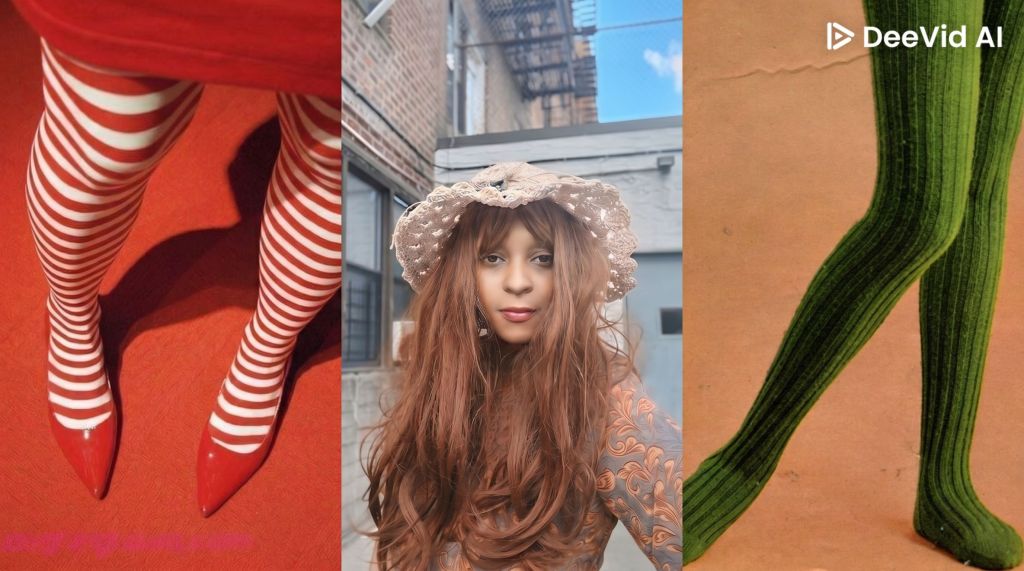
I also feel that, as time went on, I became more comfortable exploring different styles. Even wearing a blazer or revisiting pieces I once thought I had outgrown—such as tights or stockings—gave me a sense of freedom and added protection. In a way, these clothing choices supported my body while I was learning new dance steps.
Peggy Moffitt’s Pop Illusion
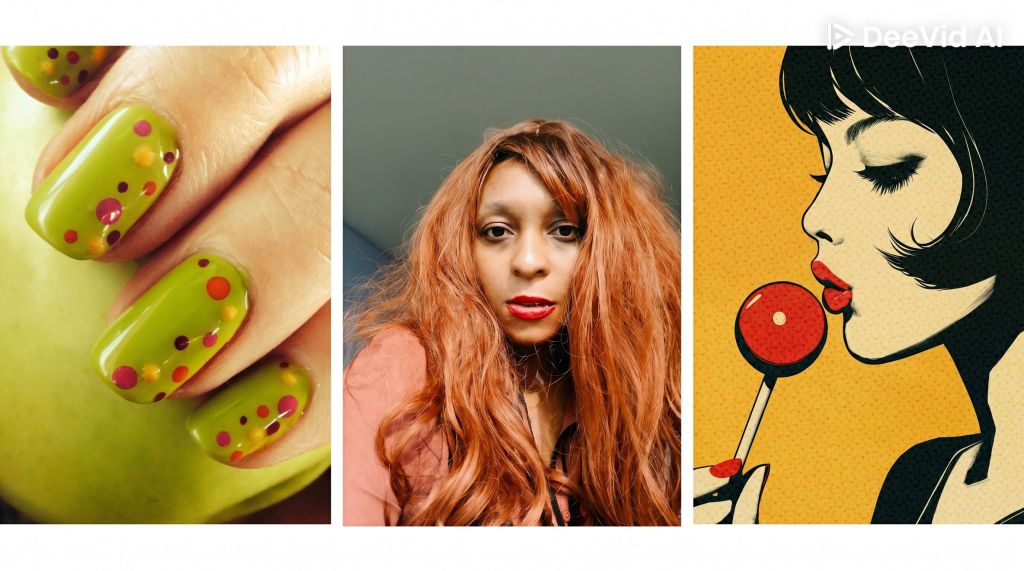
Where mod-era glamour, feminine mystique, and the dream of becoming a recording star collide.
I think that when I adopted the identity of a pop singer — or more specifically, a recording artist — I was drawing from influences that extended far beyond music itself. Surprisingly, many of those influences came from fashion models, particularly Jean Shrimpton and Peggy Moffitt. What fascinated me was not only their aesthetic, but the era and visual language they embodied. Each of them carried a distinct sense of feminine individuality — a kind of self-contained glamour that seemed capable of holding the spotlight entirely on its own.
I think it had been with each and every notion, of, using that moniker Linda Jean Shrimpton I would say, it seemed, as though I had first, found, the whole, idea, in and of itself to start off with being alone, and navigating through the whole stalwart, of artistry, and musician, and, songwriter, as not so much as knowing exactly how I would be perceived, in the whole, space of, music artist, and song composer.
And I think it is, in with certain images, and or, preconceptions, you can often times, feel this can have a negative connotation to it. even with Pseudonyms like a Composer-lyricist without, realizing it, sometimes you can feel the need to change yourself, whether it is your style, and or, even artistry, I had found this had been, something, I had dealt with often.
And in many ways, this became a particular reality I imagined for myself when it came to being a recording artist. Beneath the glamour and carefully constructed persona, there was also the harshness of pursuing that dream — the struggle of trying to be seen, heard, or even acknowledged within an industry that often felt distant and inaccessible. There were difficult moments when it seemed impossible to gain the attention of producers, let alone the possibility of being signed.
Yet even within that uncertainty, I remained absorbed in the idea of what it meant to become a pop singer. The identity itself became something I inhabited emotionally and creatively, shaped as much by longing and imagination as by any tangible success. I think that was part of the deeper experience: learning how performance, image, and ambition could coexist with isolation, persistence, and the quiet frustration of striving toward recognition.


 Made for the Spotlight